
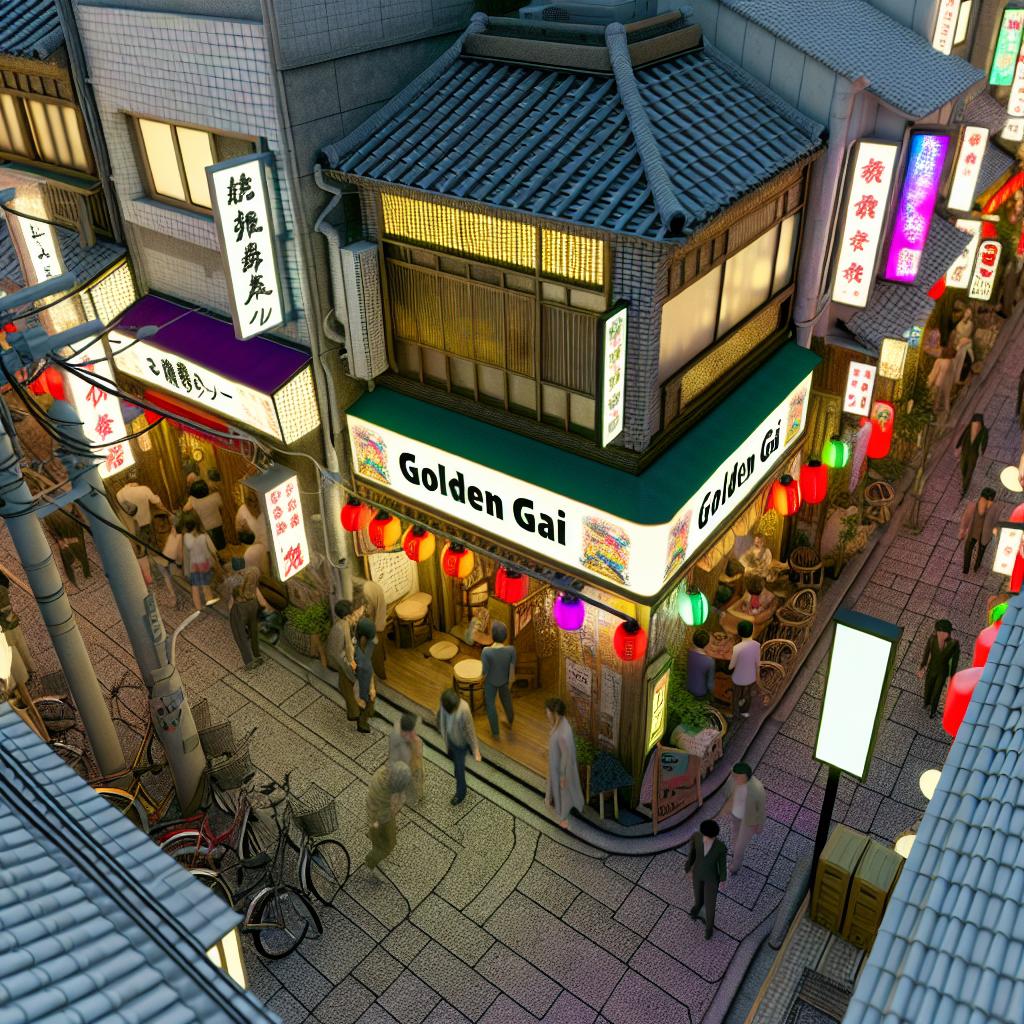
Introduction to Golden Gai
Situated in the heart of Shinjuku, Tokyo, Golden Gai is a renowned area known for its vibrant nightlife and rich history. This small district is famous for its unique architecture, consisting of narrow alleys lined with over 200 tiny bars and eateries. These establishments are often themed, catering to a wide range of interests, which makes Golden Gai an eclectic and fascinating destination.
Historical Context
Golden Gai boasts a storied past that dates back to the post-war period. Initially, it served as a black market area, providing a gathering place where people could purchase goods that were otherwise scarce in post-war Japan. Over time, this market gave way to the network of thriving bars for which Golden Gai is now celebrated. Despite the rapid urban development that characterizes much of Tokyo today, Golden Gai has succeeded in preserving its distinct charm and character. Unlike the myriad skyscrapers and modern constructions surrounding it, Golden Gai retains its traditional wooden structures and narrow passageways, serving as a living museum of mid-20th century Tokyo.
The resilience of Golden Gai amid such urban metamorphosis is noteworthy. Even in a metropolis where space is at a premium and architectural trends lean heavily towards the contemporary, Golden Gai preserves a glimpse of Tokyo’s history. This preservation is not only a nod to aesthetics but also a functional commitment to maintaining cultural and historical continuity in a city that’s continuously evolving.
Architecture and Layout
The architecture of Golden Gai is perhaps one of its most defining features. The bars are characteristically small, frequently accommodating fewer than ten patrons at a time. This compact size has fostered a unique atmosphere where patrons can engage in intimate conversations. The alleys are narrow, weaving through the tightly packed buildings usually no more than two stories high. This dense and interconnected layout creates a maze-like environment that adds to Golden Gai’s allure, inviting visitors to explore its hidden corners and discover its myriad offerings.
The narrowness of both the streets and building facades contributes to an ambiance that feels both bustling and personal. Each turn may lead to a new discovery — a bar that you might not have noticed at first glance, hidden amidst the labyrinthine alleyways. This layout encourages exploration and bolsters the area’s reputation as a unique destination offering a different experience with each visit.
Unique Bar Concepts
Golden Gai is celebrated for its variety of themed bars, each showcasing a distinct character. These establishments often dedicate themselves to specific interests, ranging from jazz music, photography, or film. This thematic diversity provides visitors with a unique experience at each stop, making bar hopping a journey through personal interests and passions. Many of these bars are adorned with decor that reflects their particular theme, adding layers to the immersive and engaging atmosphere.
Visitors may encounter a bar festooned with vintage cameras and photography books, offering workshops or exhibitions on weekends. Another establishment might be steeped in jazz memorabilia, complete with records lining the shelves and live performances encouraging one to soak in the ambiance over a cocktail. The variety of thematic experiences ensures that each visit to Golden Gai can be unique, with every bar stop providing a new facet of exploration and enjoyment.
Cultural Significance
Beyond its entertainment offerings, Golden Gai holds cultural significance. It serves as a time capsule, preserving the old Tokyo while coexisting with the modern aspects of Shinjuku. The juxtaposition of Golden Gai’s historical authenticity against the contemporary city backdrop highlights its value as a cultural and historical landmark.
Additionally, its status as a creative hub attracts not only tourists but also local artists, musicians, and writers. This influx of creative individuals has cemented Golden Gai’s reputation as an epicenter for creative minds, fostering a dynamic interchange between tradition and innovation. Through events and informal gatherings, the district inspires a melding of ideas, making it a center where history and modernity harmoniously coexist.
Visiting Golden Gai
For anyone planning to visit Tokyo, a trip to Golden Gai is highly recommended. Typically, the area comes alive after 9 PM, with crowds filling the narrow streets, eager to explore the array of bars. Visitors should be prepared for close quarters, a feature intrinsic to the area’s charm. Some bars may levy steep cover charges, particularly if there’s entertainment such as live music.
Planning can enhance a visit to Golden Gai. It’s advisable to carry cash, as many establishments do not accept credit cards. Additionally, familiarizing oneself with desired bar themes in advance could streamline the exploration process, allowing for a more tailored experience. The district offers myriad guides and resources to help assess which bars align with specific interests.
Conclusion
Golden Gai offers a unique glimpse into Tokyo’s history and culture, standing out as a beacon of the past amid the fast-paced evolution of its surroundings. Its commitment to preservation amid modern urbanization speaks to a dedication to maintaining a delicate balance between old and new. For those interested in exploring Golden Gai further, a wealth of resources, including travel websites and specific guides on Tokyo’s unique neighborhoods, are available for planning a visit. Whether you’re a history enthusiast, a bar connoisseur, or simply a curious traveler, Golden Gai promises a distinct and memorable experience.