
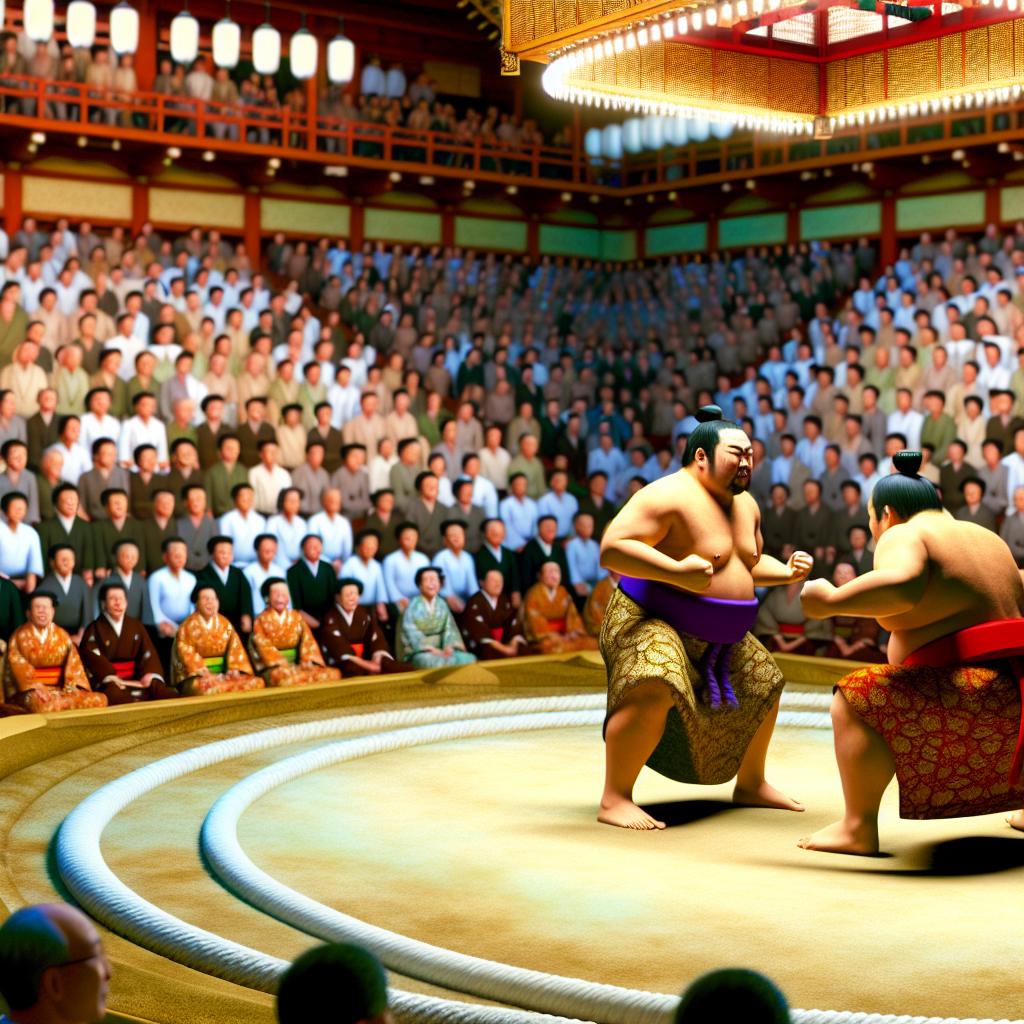
Introduction to Sumo Wrestling
Sumo wrestling is a traditional Japanese sport that has enthralled audiences for centuries. It is not just a mere competition of strength and skill but a deep reflection of Japanese culture, showcasing a harmonious blend of athleticism, ritual, and history. Achieved through centuries of evolution, sumo wrestling stands today as a significant symbol of Japan. One of the most renowned locations to watch a sumo match is at the illustrious Ryogoku Kokugikan in Tokyo. This venue, steeped in history and tradition, offers spectators an unparalleled opportunity to immerse themselves in a sport that is as culturally enriching as it is exciting.
What to Expect at Ryogoku Kokugikan
Situated in the heart of Tokyo, the Ryogoku Kokugikan serves as the primary stage for sumo wrestling in Japan. The arena is the main host for three out of the six annual professional championships. It holds a capacity of 11,000 spectators who gather to witness the intriguing matches that take place within the ring, known in Japanese as the dohyō.
Overview of the Venue
Ryogoku Kokugikan is much more than just a sporting arena; it represents the spiritual home of sumo. Designed to offer visitors an intensified view of the matches, the arena ensures that from any vantage point, the intricacies of the sport can be appreciated. The championships are distributed across the months of January, May, and September, allowing fans numerous opportunities to witness the exhilaration and honor that are central to these contests.
Sumo Match Format
The format of a sumo match remains consistent with ancient traditions. Each bout involves two wrestlers, also known as rikishi, who enter the ring with the objective of outmaneuvering their opponent. Victory is achieved by either forcing the opponent out of the ring or ensuring that any part of their body, except the soles of their feet, makes contact with the ground. Although the matches themselves are often brief, sometimes only lasting a few seconds, they are preceded by an elaborate build-up that involves customary rituals. These practices include the dohyō-iri, a ring-entering ceremony where wrestlers wear their ceremonial aprons and engage in symbolic movements and chants to honor the sport’s sacred roots.
Ceremony and Tradition
In addition to the matches, the ritualistic ceremonies contribute significantly to the sumo experience. Each match involves salt tossing, clapping, and stomping; actions meant to purify the ring and beseech good fortune. The ceremonious actions of the wrestlers, combined with the calculated and careful observation by the judges (known as gyōji), result in an aura of discipline that is palpable and highly respected.
Venue Atmosphere
The atmosphere at Ryogoku Kokugikan is a lively and engaging affair, characterized by a slew of cultural nuances. Spectators often don traditional Japanese attire such as yukata, adding an authentic touch to the event’s ambiance. The venue extends its cultural offer through various exhibitions and sumo-related events that deepen the sporting experience, acting as a window into traditional Japanese society. Surrounding the arena, various shops and food stalls are set up, presenting visitors with the opportunity to purchase unique souvenirs or indulge in local cuisine during intermissions.
Visiting the Venue
For those planning to attend, getting tickets in advance is highly recommended due to the sport’s immense popularity. Ryogoku Kokugikan offers multiple seating arrangements, ranging from intimate ringside tatami mats, which provide an up-close experience of the wrestlers’ prowess, to the higher-tiered seats that afford a comprehensive view of the entire operation of the event. An official sumo ticketing website is available for more information on booking and schedules.
The Historical Significance of Sumo
Sumo holds a unique place in Japanese history, with origins tracing back over 1500 years. Initially part of religious ceremonies, sumo has been preserved through centuries, evolving while maintaining its core traditional values. The sport is deeply interwoven with the Shinto faith, reflecting its importance to Japan’s cultural and spiritual heritage. Understanding sumo’s historical context enriches one’s appreciation for the dedication and discipline embodied by the wrestlers.
The Wrestlers’ Journey
Becoming a professional sumo wrestler is a rigorous journey that demands physical and mental dedication. The path to becoming a rikishi is marked by stringent training regimes, dietary practices, and living arrangements within sumo stables (heya), where wrestlers live, train, and eat together. These elements contribute to the wrestlers’ commitment to excel in the sport, with ranks advancing through meritocratic competition.
Conclusion
To attend a sumo match at Ryogoku Kokugikan is to engage with a time-honored spectacle that is both a sport and an artistic ritual. By drawing thousands of visitors, both local and international, the event highlights the cultural importance and societal respect for tradition in Japan. Sumo wrestling is more than just physical confrontation; it is an enthralling cultural spectacle that captures Japan’s spirit and history. Whether you are a sports enthusiast or a cultural explorer, witnessing a sumo match is undoubtedly a unique experience, one that provides insight into a fascinating aspect of Japanese heritage.